
Elevating Gynecologic Surgery Worldwide
AAGL is the largest medical association advancing health care for women through excellence in clinical practice, education, research, innovation, and advocacy.
Begin your AAGL membership today, and together, let us improve the health of women across the globe.



In the Spotlight Surveys, Programs, Opportunities, and More
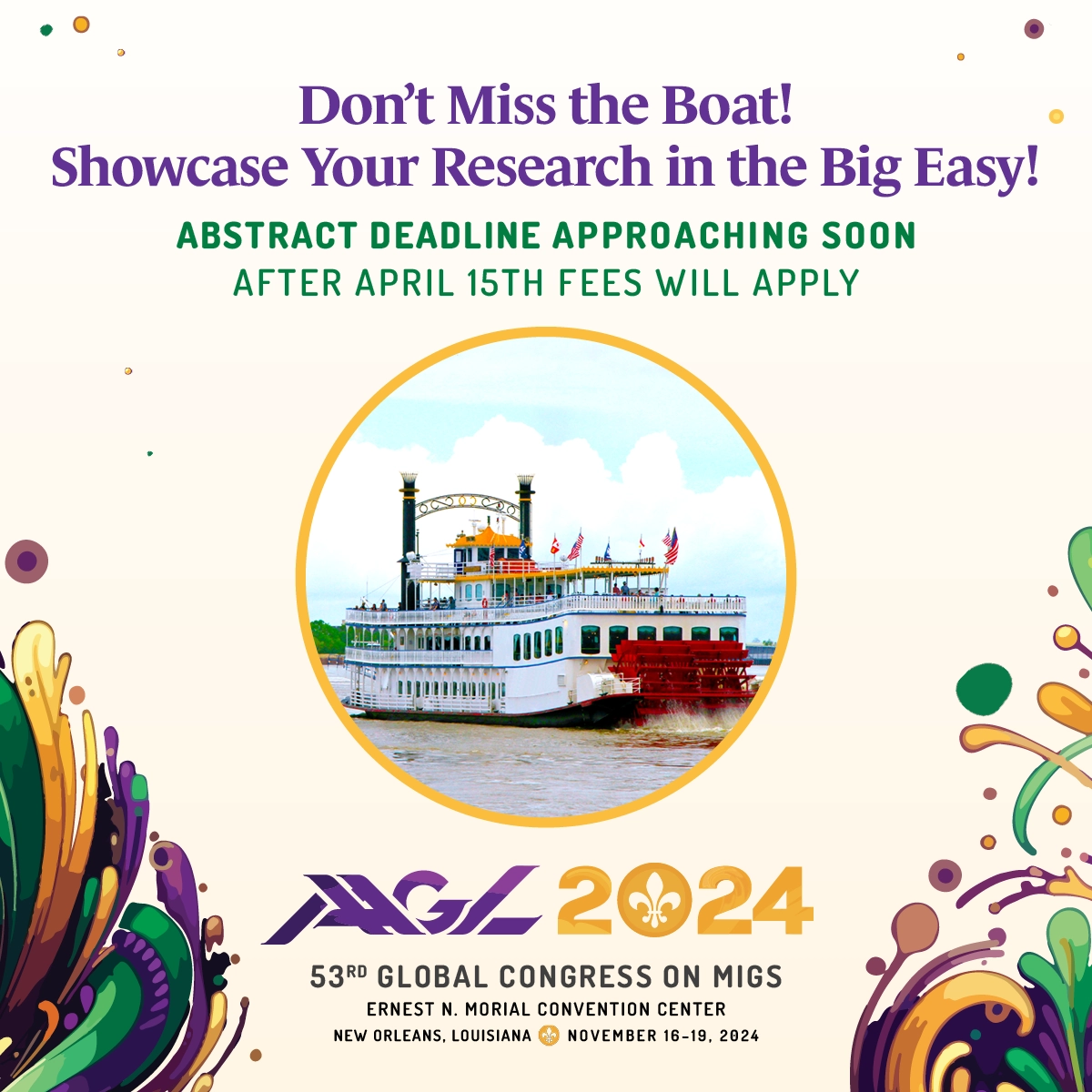
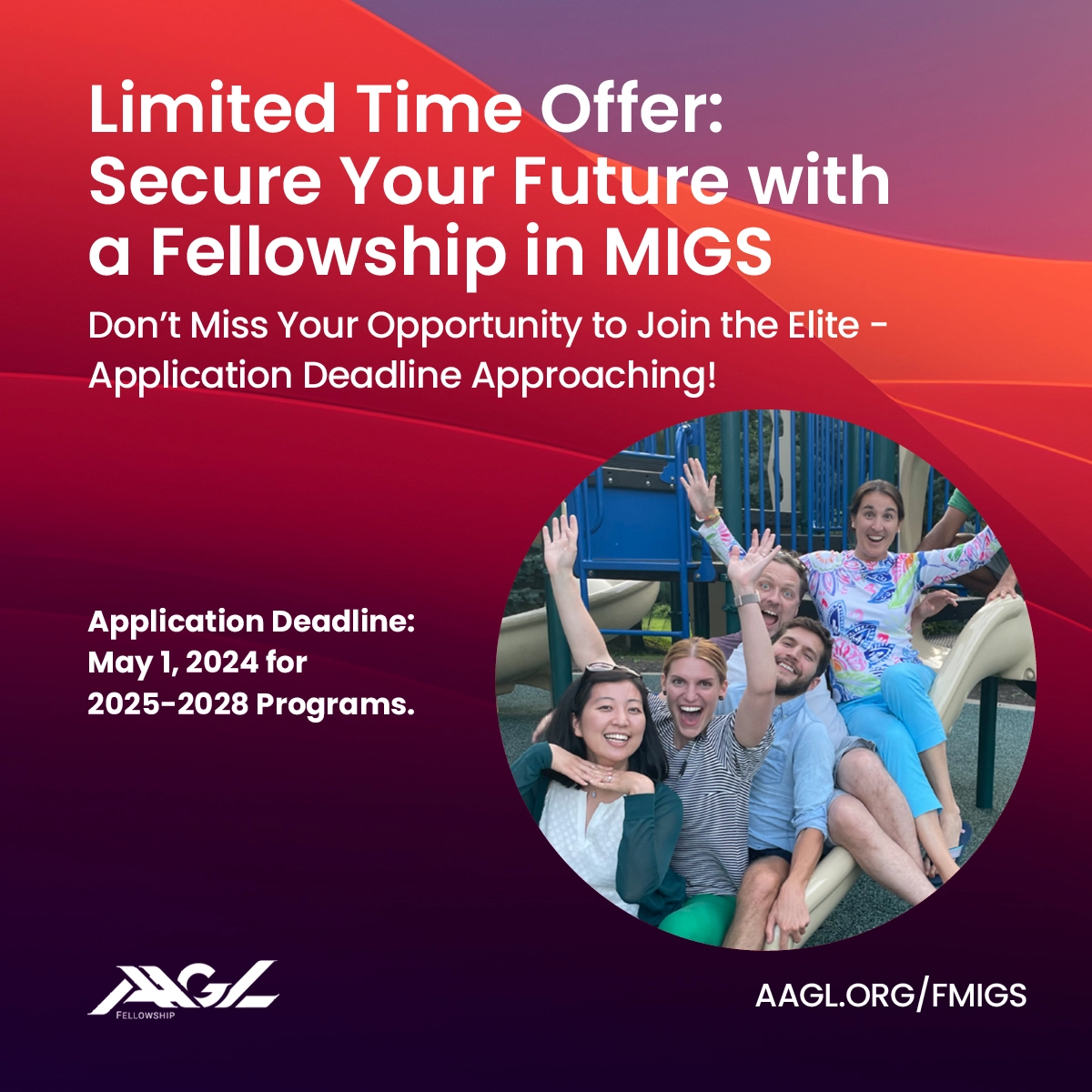
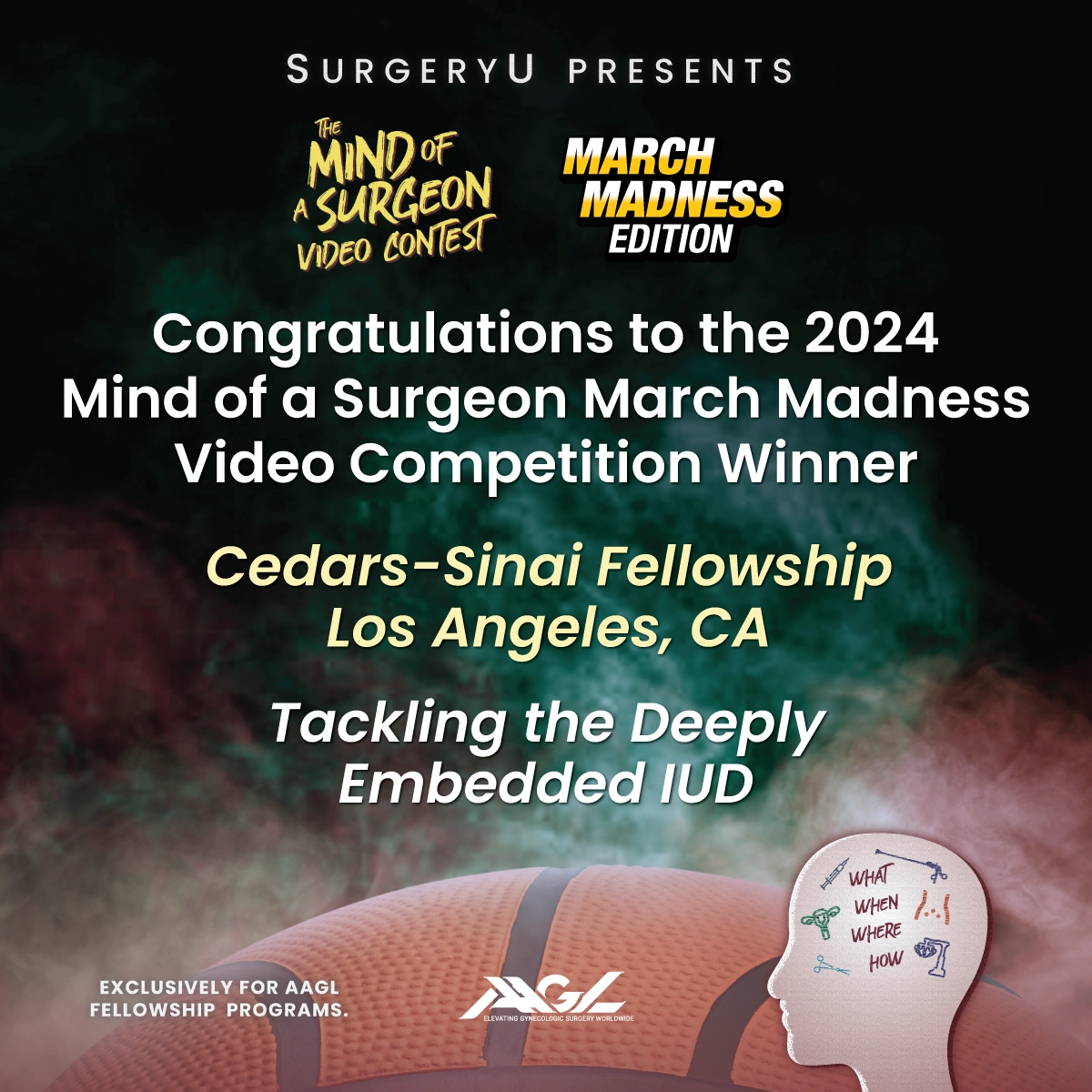
AAGL Member Benefits & Resources Join a Legacy of Compassionate Leaders
 |
Keep Up-to-DateKeep up with the latest technology and techniques in MIGS through SurgeryU; the largest on-line video library, JMIG; our scientific journal, NewsScope; reporting insights from our services and programs. For all the latest happenings at AAGL straight to your inbox, sign up for our Monthly Update – for members and non-members alike. |
 |
Exchange Ideas and Amplify Your NetworkWe provide several ways for members to collaborate and network with peers. AAGL Connect is our online membership forum. ListServe is an additional way to keep that conversation going through email, and joining one of our Special Interest Groups (SIGS) brings you together with members that share your specific interest within MIGS. |
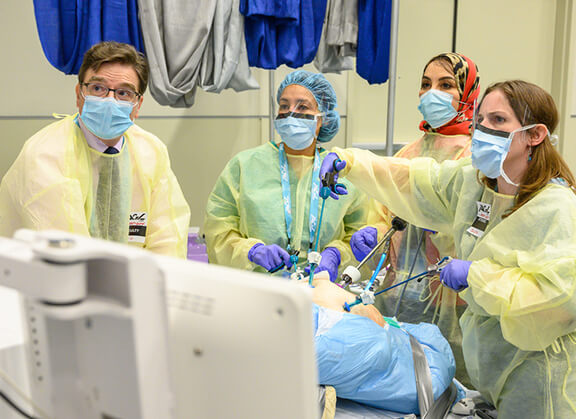 |
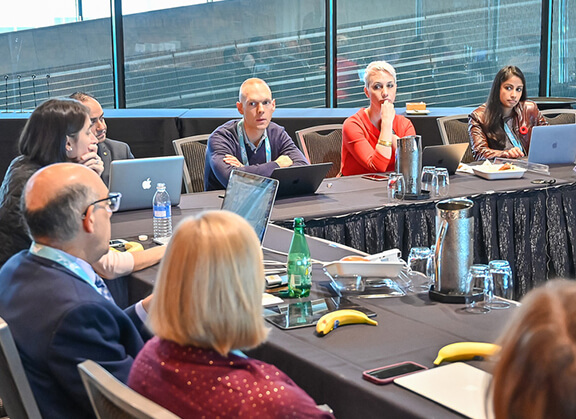
Expand Your Knowledge in MIGSContinual learning is what leads to change. We offer numerous webinars, courses, and programs to help you stay current on critical MIGS issues. Our annual Global Congress is the largest gathering of MIG surgeons, bringing industry experts from around the globe together in one place, to learn, to teach, to share and to network. |
 |
Advance Women’s Healthcare Through ActionAAGL offers programs that provide you the opportunity to make a difference. Joining a SIG or one of our many Committees is a great way to let your voice be heard, while our Foundation provides grants and awards to support your work in MIGS. Our Fellowship program is the most comprehensive training program for gynecologic postgraduates. Contact us to learn more. |
 |
Take Your Career to the Next LevelAAGL is a great source for advancing your career in MIGS. Our Job Board is the place to find your perfect match. Year-round course offerings provide continuing education to take your career even further, while our various awards and grant opportunities offer you the recognition your hard work and dedication deserves. |

Fellowship in Minimally Invasive Gynecologic Surgery
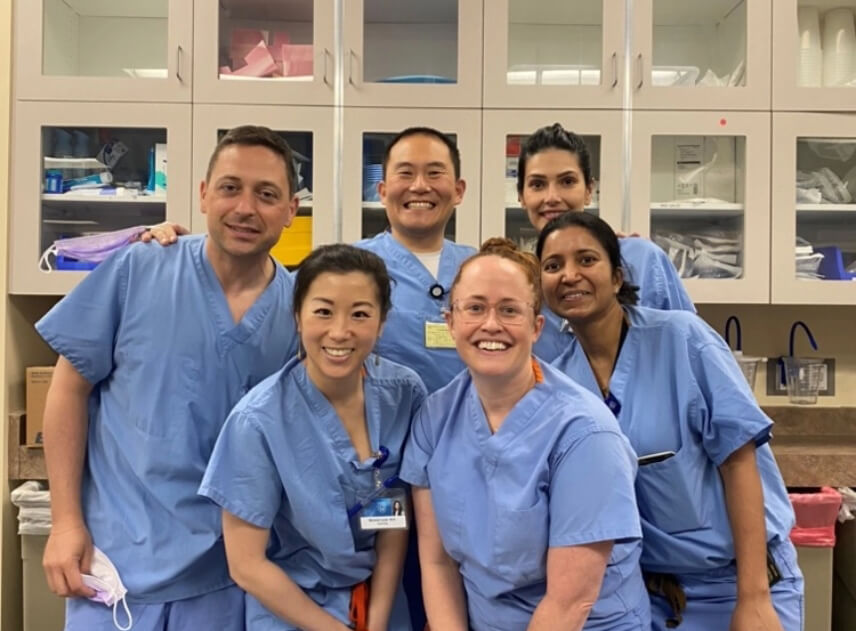
Our Fellowship in Minimally Invasive Gynecologic Surgery (FMIGS) offers a two- and three-year comprehensive training program in advanced gynecologic endoscopy to graduating gynecologic residents. FMIGS is offered in 60 institutions across the United States with six international locations.


Our Foundation
Every donation to The Foundation of the AAGL (FAAGL) supports our mission to provide resources for education, mentorship, global outreach and awareness in MIGS. Read more about how you can get involved.


Events Learn and Collaborate With Your Colleagues
Mark your calendars! Explore AAGL’s upcoming events for the hottest, not-to-miss
MIGS conferences, meetings, and educational programs.
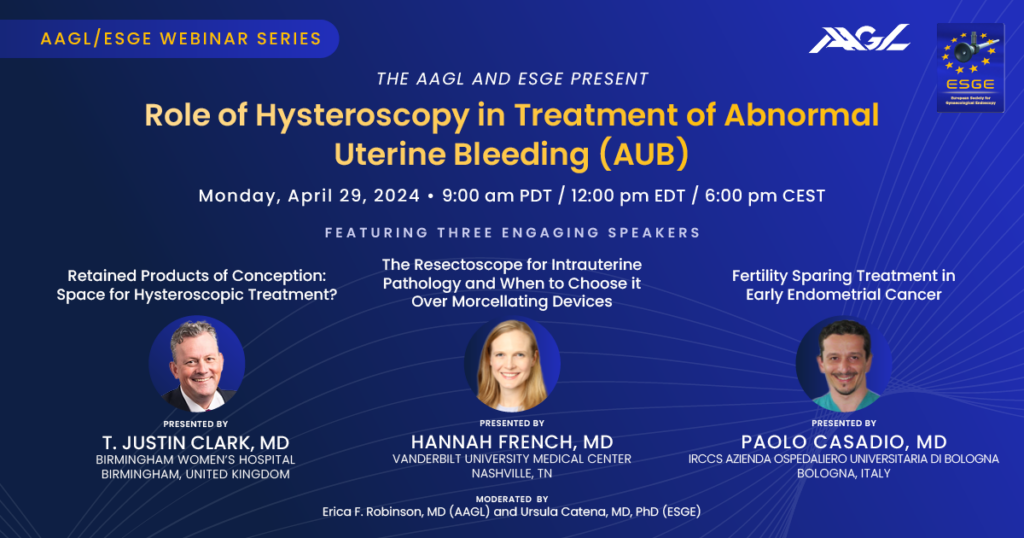
The AAGL/ESGE Webinar Webinar Series – Webinar #2 Click here to register. Webinar Topic: Role of Hysteroscopy in Treatment of Abnormal Uterine Bleeding (AUB) Presented By: T….
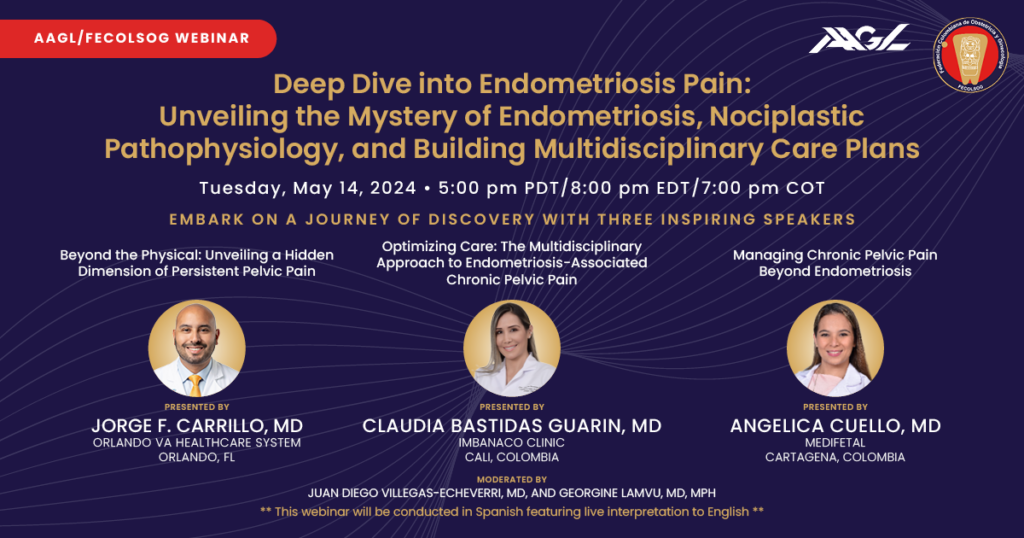
AAGL/FECOLSOG Webinar: Click here to register. Webinar Topic: Deep Dive into Endometriosis Pain: Unveiling the Mystery of Endometriosis, Nociplastic Pathophysiology, and Building Multidisciplinary Care Plans Presented by: Jorge…

Global Community of Gynecological Surgeons in collaboration with the AAGL. Featuring plenary sessions, live surgeries, keynote lectures and breakout sessions as well as abstract presentations (oral &…
AAGL Pelvic Pain SIG Webinar: Click here to register. Webinar Topic: Pelvic Pain Throughout The Lifespan Presented By: Aakriti R. Carrubba, MD, Mayo Clinic Florida, Jacksonville, FL…
AAGL — Making a Difference, One Member at a Time

Resident Training
Focused on residents, our Essentials in Minimally Invasive Gynecologic Surgery (EMIGS) program is a validated training and testing program approved for use by the American Board of Obstetrics & Gynecology (ABOG).
EMIGS includes access to the Didactics, Cognitive, and Skills Test.